
Not every water heater problem is an emergency, but the ones that are tend to get worse by the minute. The most common one is a ruptured tank. Because the cold inlet stays connected to a failed tank, the leak does not end when the heater is empty; it often keeps running until someone closes a valve, soaking subfloors, carpet, and whatever sits underneath. Other urgent signs include a relief valve that is releasing water again and again, which means the tank is running too hot or at too much pressure, water at the tap that is suddenly scalding, and a rotten-egg odor near a gas unit. For homeowners in Newton, MA, any of these is worth a call right now rather than a wait-and-see approach.
Here is the order that keeps people safe. Gas comes first. If there is any smell of gas, get everyone out, leave switches, outlets, and appliances alone, and call the gas utility or 911 once you are outside; the heater can wait until the utility says the home is safe. Next, the water. Turn the cold-water valve above the heater clockwise until it stops, or close the home's main shutoff if that valve refuses to turn. Then the heat source. Set a gas control to OFF, or turn off the breaker for an electric heater, but only if you can reach the panel without standing in water. A relief valve that is releasing water must never be blocked. With the heater isolated, call (617) 209-6516 and we can talk through what you are seeing.
When you reach Newton Water Heater, we start by asking what you see, hear, and smell, and we confirm the shutoffs are holding before anyone leaves the shop. We dispatch as quickly as we can and give you a realistic time frame rather than a promise we cannot keep. Our trucks carry the parts behind most urgent failures, including relief valves, thermocouples, flame sensors, heating elements, thermostats, drain valves, and supply connectors, so many emergencies end with a repair on the spot. When the tank itself has failed, patching it would not be honest work, so we explain replacement options, secure the area, and restore hot water as soon as the new heater is in. For emergency water heater repair in Newton, call (617) 209-6516.
What homeowners call us about most is Water Heater Repair in Newton. Either is a good place to start.
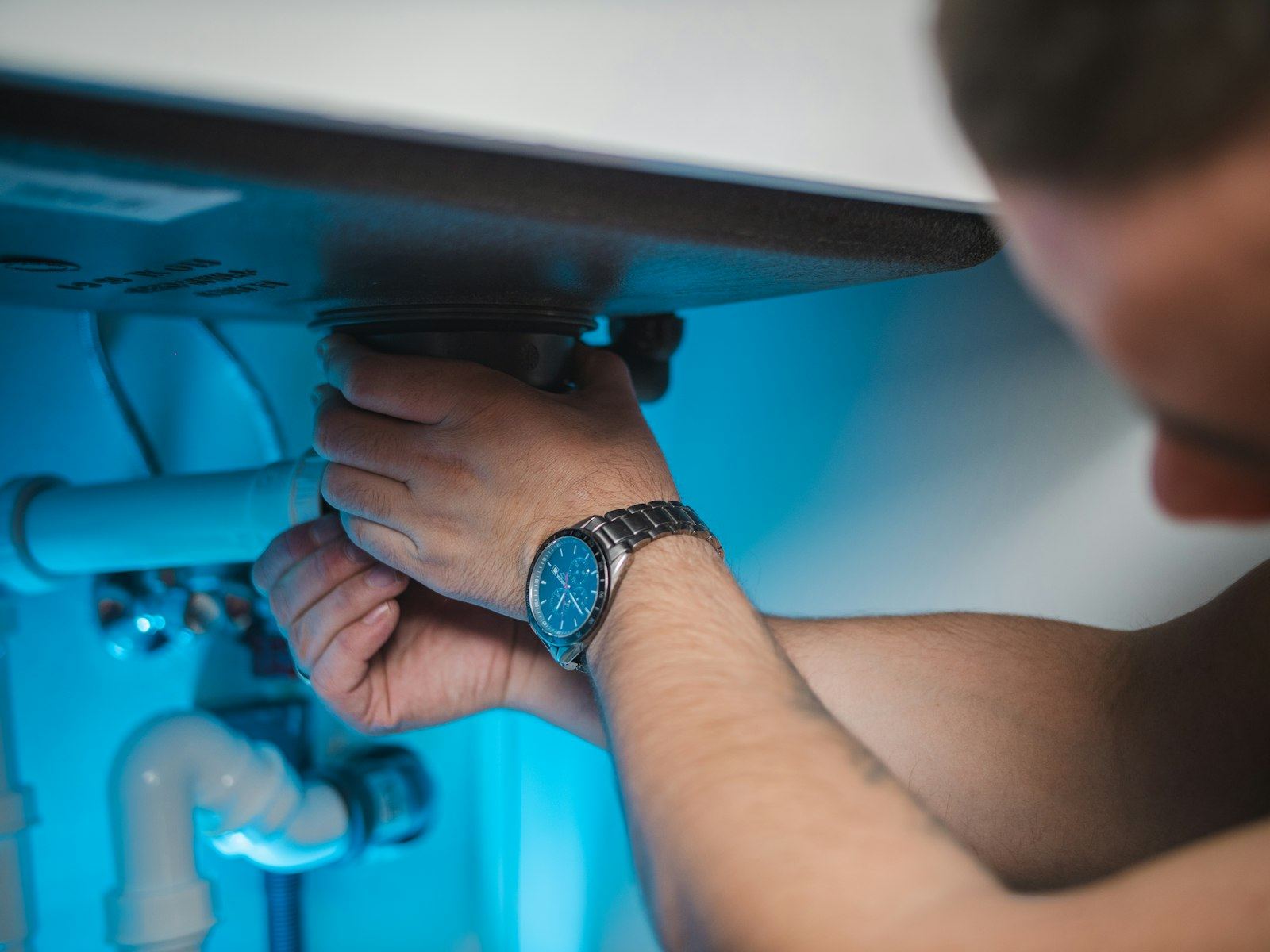
How to Tell Something Is Wrong
Water heaters usually give plenty of warning before they fail, as long as you know what to look and listen for. Here are the most common indicators that it's time to call a professional:
- Water at the tap that is suddenly scalding hot
- Black soot or heat discoloration around the burner door or draft hood
- A puddle under the tank that keeps growing
- A complete loss of hot water throughout the house
- Violent rumbling or banging from the heater as it runs
- An electric water heater that keeps tripping its circuit breaker
- The smell of gas near the unit, a situation that calls for evacuating and phoning the utility or 911
- Water or steam coming from the temperature and pressure relief valve or its discharge pipe
A Slow Leak Never Stays Slow
Left alone, even minor symptoms like rumbling or temperatures that swing from hot to warm tend to mean the heater is working its way toward a breakdown. At the first hint of a problem, reach out to Newton Water Heater at (617) 209-6516 and we'll take a look.
Water Heater Trouble? Call Us.
One call gets a technician scheduled and a clear price before any work starts.
Call (617) 209-6516 TodayCommon Questions We Hear
Why Professional Emergency Water Heater Repair Matters
Emergency calls combine electricity, gas, heat, pressure, and water, which is exactly the mix that makes do-it-yourself work risky. An electric heater sits on a 240-volt circuit that should never be handled while standing in water. A gas heater has fuel piping, a burner, and a vent that can leak exhaust into the room if something is out of place. The tank itself holds scalding water under pressure, and a discharging relief valve is signaling an unsafe condition that must be solved, not silenced. Blocking the discharge pipe, relighting next to a gas odor, or forcing a rusted connection are mistakes we see far too often.
Professional help is not just about having wrenches. It is about knowing why the failure happened so it does not happen again next month. When a relief valve discharges, we measure static water pressure and check whether an expansion tank is missing or waterlogged. When a tank floods the floor, we locate the true source, whether it is the valve, a fitting, a connector, or the tank wall. When a gas heater dies, we check thermocouple or flame sensor signal, gas pressure, and venting before restarting it. The diagnosis determines everything that follows. Components can be replaced the same visit; a failed tank cannot be patched, and we say so plainly and explain the replacement path.
From Your Call to Hot Water
Every visit follows a step-by-step method built around testing first and replacing parts only when the readings call for it. Here's the short version:
Make It Safe by Phone
The first step happens before we arrive. We rule out a gas smell with you, walk you through the water shutoff and the gas control or breaker, and help limit the spread of water.
Secure the Area
A technician heads out as quickly as the schedule allows, with an honest arrival window. On site we verify water, fuel, power, and venting are safe before any diagnosis begins.
Diagnose & Repair
If a component failed, we swap it on the spot. If the tank itself is leaking, we explain why it cannot be patched and walk you through replacement options and pricing.
Safe Restart
We refill the tank, purge air from the lines, restart the heater, check every joint for leaks, confirm the relief valve seats, and set the temperature to a safe 120F.
Simple Ways to Extend Your Water Heater's Life
A few preventive steps can help you avoid a cold shower or a wet floor down the road. Here are our recommendations:
- Put the heater in a drain pan piped to a floor drain or the exterior where the setup allows
- Flush sediment from the tank yearly, since buildup overheats the bottom and speeds corrosion
- Store chemicals and flammables far from the burner, and keep the area around the heater uncluttered
- Find and label the cold-water shutoff at the heater and the main house valve now, before you ever need them
- Test the T&P valve annually; a valve that sticks or weeps afterward should be replaced
- Set the temperature around 120F, which protects against burns and slows tank wear
- Consider an automatic leak shutoff that stops the cold supply the moment water hits the floor
Comparing DIY and Professional Work
Some simple checks are fine to do yourself, but most water heater repairs benefit from professional tools, training, and experience. Consider the following comparison:
| Factor | DIY Attempt | Professional Service |
|---|---|---|
| Gas Odor | Risk of ignition while investigating | Gas utility first, then tested with proper tools |
| Water Control | Hunting for shutoffs while water spreads | Supply isolated fast, stuck valves handled safely |
| T&P Discharge | Valve ignored or blocked off | Root cause measured and corrected |
| Power & Water | Live wiring close to a flooded area | Power tested off and area made dry and safe |
| Diagnosis | Symptom treated, source unknown | Tested, not guessed |
| Outcome | Problem likely to return | Hot water back and connections proven dry |
Get Emergency Water Heater Repair Help Today
Cold showers and damp floors don't get better on their own. Newton Water Heater can have a technician headed your way soon.
Call (617) 209-6516 TodayWhere We Provide Emergency Water Heater Repair
Our technicians handle emergency water heater repair throughout Newton and the surrounding communities, with the same upfront pricing everywhere we work.